

Base Materials
Material selection is a crucial step in jewelry-making, influencing not only the final appearance of the piece, but also its durability and quality.
Mastering the nature and characteristics of each material is essential to choosing the most suitable for your project and designing jewelry that is durable, aesthetically pleasing and unique.
In this chapter, we'll explore the basic materials most commonly used in jewelry, along with their essential properties and characteristics.
- Precious metals :
Gold: Yellow gold, white gold, rose gold, etc.
Sterling silver: An alloy of pure silver and other metals, usually copper, for greater durability.
Platinum: A rare and durable precious metal, often used for high-end jewelry.
- Non-precious metals :
Copper: Often used as an affordable alternative to precious metals.
Brass: An alloy of copper and zinc, sometimes plated with gold or silver for a more luxurious appearance.
- Precious and semi-precious stones :
Diamonds: Diamonds are often used as center stones in engagement rings and high-end jewelry.
Sapphires, rubies and emeralds: These gemstones are also popular for their beauty and durability.
Topazes, amethysts, citrines, etc. : These semi-precious stones offer a variety of colors and styles for jewelry.
- Pearls :
Freshwater pearls: Pearls produced from freshwater mollusks, available in a range of colors and shapes.
Cultured pearls: Pearls produced artificially by introducing an irritant into an oyster or mollusk.
- Crystals and glass :
Swarovski crystals: High-quality crystals made in Austria, used to add sparkle and brilliance to jewelry.
Murano glass: High-quality glass made in Murano, Italy, often used in jewelry beads and pendants.
- Leather and fabrics:
Genuine leather: Used to create bracelets, cords and decorative elements in jewelry.
Fabrics: Such as silk, satin, velvet, etc., used to create textile elements in jewelry, such as tassels or cords.
- Other materials :
Wood: Used to create natural, rustic elements in jewelry.
Epoxy resin: Used to encapsulate decorative elements or to create molded jewelry pieces.
Polymers: Like polymer clay, used to make beads and sculpted elements in jewelry.
Metals
Metals are the basis of most jewelry and offer a wide variety of options in terms of color, durability and finish. Here are some of the metals most commonly used in jewelry:
Gold
- Gold is a precious metal much appreciated in jewelry for its beauty, malleability and durability.
- It is available in a variety of colors, including yellow gold, white gold and rose gold, depending on its alloy.
- Its resistance to corrosion makes it an ideal choice for long-lasting jewelry.


Silver
- Silver is a less expensive precious metal than gold, but just as popular in jewelry.
- It is distinguished by its brilliant whiteness and ability to reflect light, and is often used to create elegant, timeless pieces.
- Silver is often rhodium-plated for added brilliance and resistance to oxidation.
Turntable
- Platinum is a rare and durable precious metal, prized for its corrosion resistance and brilliant silver color.
- Its rarity makes it a high-end material.
- It is often used for high-end jewelry and precious stones.


Titanium
- Titanium is a strong, lightweight metal that is gaining in popularity in jewelry making due to its durability and scratch resistance.
Palladium
- Palladium is a durable alternative to platinum, white and corrosion-resistant.

Copper
- Malleable and ductile, it has a reddish color and can be patinated to obtain a variety of effects.
- Copper is often used to create costume jewelry.


Brass
- An alloy of copper and zinc, it has a golden yellow color and high strength.
- Brass is economical and easy to work.
Bronze
- An alloy of copper and tin, it has a bronze color and enhanced strength.
- Bronze is appreciated for its antique look and durability.

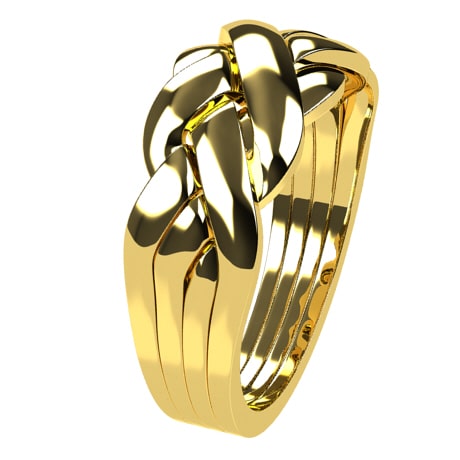
Stainless steel
- Corrosion-resistant and hypoallergenic.
- Used for modern, minimalist jewelry.
- Easy to maintain.
Each metal has unique characteristics in terms of color, shine, weight and reactivity to the surrounding elements, which must be taken into account when choosing materials for your creations.
Precious and Semi-Precious Stones, Organic and Synthetic Materials
Precious and semi-precious stones add a touch of color, brilliance and value to a piece of jewelry. In addition to metals and gemstones, other materials are sometimes used in jewelry to create unique and original pieces. Here are some of the most common stones and materials used in jewelry:
Diamond
- Diamond is the most sought-after gemstone for its unrivalled brilliance and durability.
- It is a symbol of purity and eternity.
- Diamonds are cut in a variety of styles to maximize their brilliance.
- It is often used as the center stone in engagement rings and high-end jewelry.


Sapphire
- Sapphire is a deep blue gemstone, a symbol of wisdom and fidelity.
- Its color is due to the presence of iron and titanium, although it can also be found in a variety of other colors.
- It is prized for its hardness and timeless beauty.
Ruby
- Ruby is a bright red gemstone that symbolizes passion and vitality.
- Its color is due to the presence of chromium.
- It is often used as the center stone in rings and necklaces.


Emerald
- Emerald is a translucent green gemstone, a symbol of hope and wisdom.
- It is prized for its natural beauty and brilliance.
- Its color is due to the presence of chromium.
- It is often used in luxury jewelry.
Beads
- Natural formations created by mollusks, pearls come in a variety of colors and shapes.
- They symbolize femininity and purity.


Jade
- Multi-colored semi-precious stone, symbol of protection and good luck.
Opale
- A semi-precious stone with iridescent reflections, a symbol of creativity and imagination.


Turquoise
- Blue-green opaque stone, symbol of protection and wisdom.
Amber
- Fossilized resin in warm colors, a symbol of luck and energy.


Corail
- Skeleton of marine polyps, symbol of life and prosperity.
Wood
- A warm, natural material offering a variety of textures and colors.


Resin
- Resin is a versatile synthetic material that can be dyed and formed into a variety of shapes and textures to create unique, contemporary jewelry.
Material properties
- Hardness: a material's resistance to scratching (Mohs' scale). Diamond is the hardest natural material.
- Malleability: the ability of a material to be drawn into thin sheets.
- Ductility: the ability of a material to be drawn into fine threads.
- Corrosion resistance: a material's ability to resist oxidation and tarnishing.
- Color: the natural hue of a material, which can be modified by treatments or alloys.
- Gloss: a material's ability to reflect light.
- Transparency: transparent, translucent or opaque.
- Hypoallergenic: does not provoke allergic reactions.
- Scarcity: influence on value and availability.

Choice of materials
The choice of material depends on several factors:
- The style of the jewel: a minimalist piece may be made of silver, while an opulent piece may be set with precious stones.
- Budget: precious metals are more expensive than non-precious metals.
- Allergies: some materials can cause allergies, so it's important to choose a hypoallergenic material.
- Technical skills: some materials are more difficult to work with than others.

