Finishing for unique jewelry
In the world of jewelry, assembly and finishing techniques play a crucial role in the creation of high-quality pieces.
From soldering to final shaping, each step contributes to bringing to life a jewel that embodies elegance and creativity.
Each jewel is a unique work of art, crafted with care and attention to detail.
To bring extraordinary creations to life, it is essential to master the assembly and finishing techniques that transform raw materials into dazzling finished pieces.
In this chapter, we explore in detail the various assembly and finishing techniques, as well as the art of molding to create customized shapes and designs.
- Welding:
Use a torch and filler metal to heat and fuse metal parts together.
Soldering creates strong connections between jewelry components.
- Gluing:
Use special adhesives to glue non-metallic components together, such as stones, pearls or leather elements. Be sure to use an adhesive appropriate for the materials you're assembling, and follow the manufacturer's instructions for best results.
- Riveting :
Use rivets to attach components together by drilling holes through the parts and inserting the rivets. Rivets can be flat or domed, depending on the style and function of the jewelry.
- Weaving:
Weave wires or cords around components to tie them together and create decorative patterns. This technique is often used in the manufacture of bracelets and necklaces to create unique and intricate designs.
- Threading:
Use wires or cords to thread beads, stones or other components and tie them together with knots or fasteners.
Threading is commonly used to make necklaces, bracelets and earrings.
- Securing clasps and fasteners:
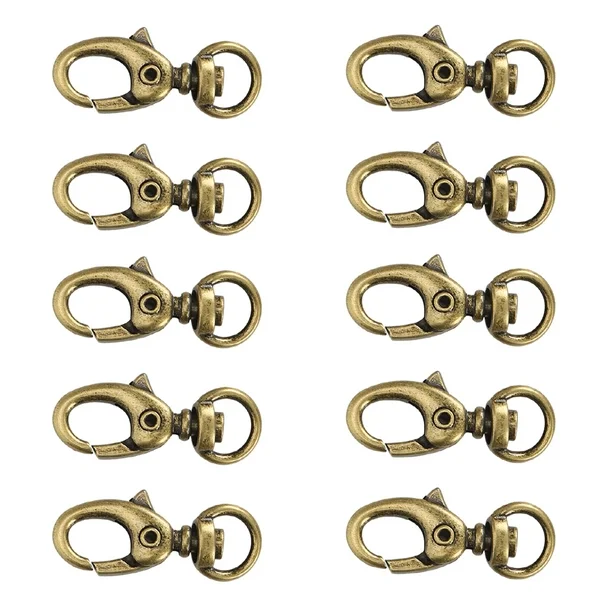
Use ties, clasps and hooks to secure the ends of jewelry and close them around the neck, wrist or ear. Make sure clasps are strong and secure to prevent the jewelry from coming loose.
- Finishing:
Use finishing tools such as files, polishing blocks and abrasive pads to smooth the edges and surfaces of the jewelry.
Polish the jewel to give it a professional shine and luster.
- Cleaning:
Clean the jewelry with a soft, lint-free cloth to remove dirt, dust and manufacturing residues.
Use special cleaning solutions for precious metals or other materials as recommended by the manufacturer.
Assembly Techniques
Component assembly is a crucial step in jewelry-making, where each element is carefully placed and secured to create a coherent, harmonious piece. Here are some of the most commonly used assembly techniques:
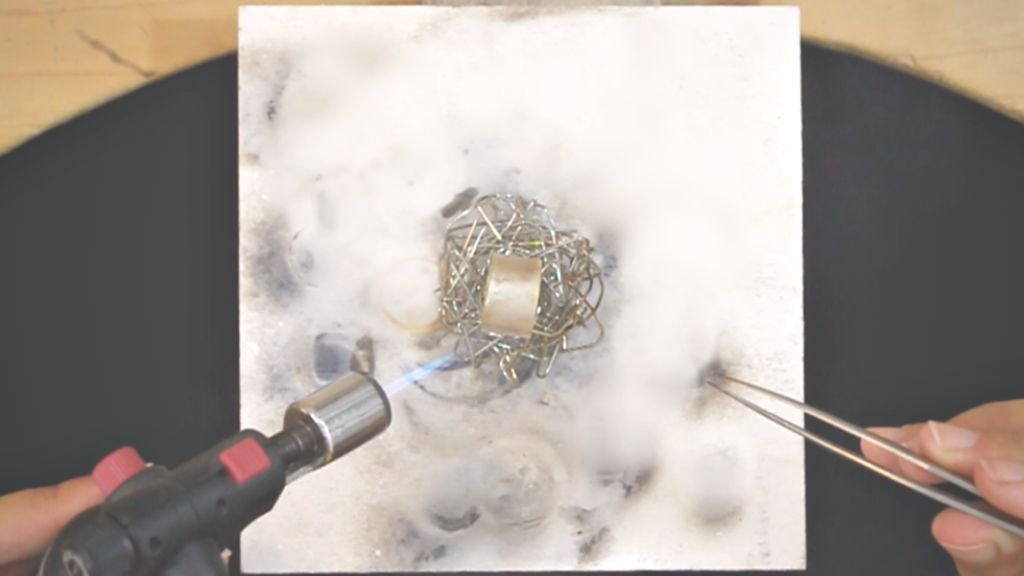
Welding
- Soldering is a metal-bonding technique in which parts are heated to high temperatures until they melt and fuse together.
- This creates strong, durable joints between jewelry components.
Steps in detail
- Clean surfaces to be soldered.
- Apply flux to surfaces to be soldered.
- Heat surfaces to be soldered with a flashlight or other heating tool.
- Apply filler metal to surfaces to be welded.
- Allow weld metal to cool.
Crimp
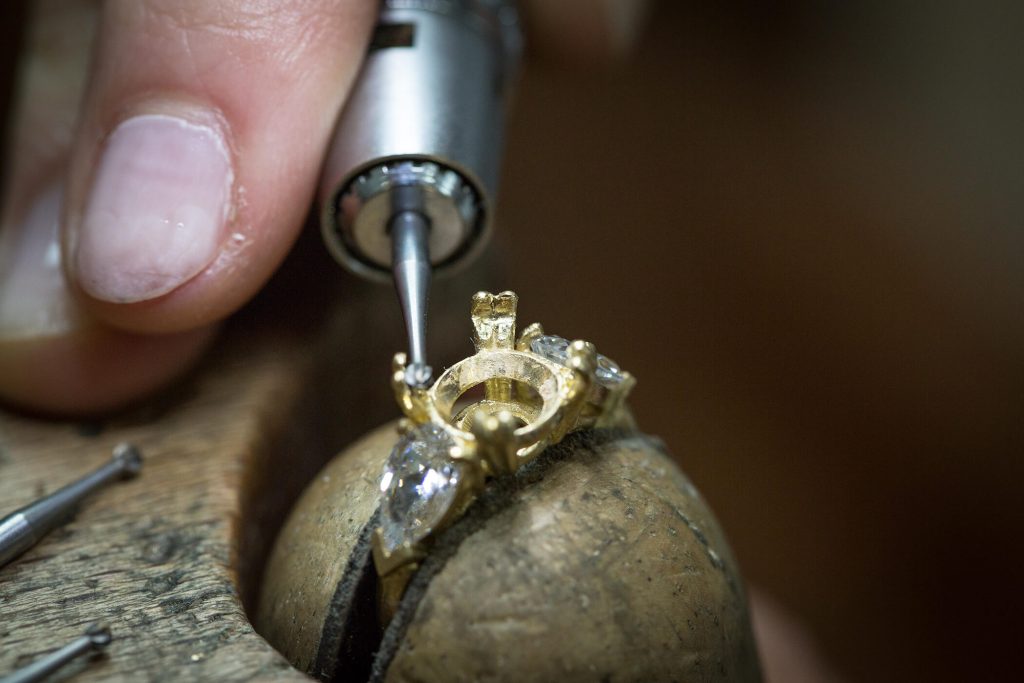
- Setting is the process of securing a precious or semi-precious stone in a metal setting by gently folding the edges of the metal around the stone to hold it in place.
- It's a delicate technique that requires great precision to ensure the stone's safety while enhancing its beauty.
Steps in detail
- Choose a setting to suit the gemstone and the style of jewelry.
- Prepare the metal support for the setting.
- Secure the gemstone in the setting.
- Polish the setting and the gemstone.
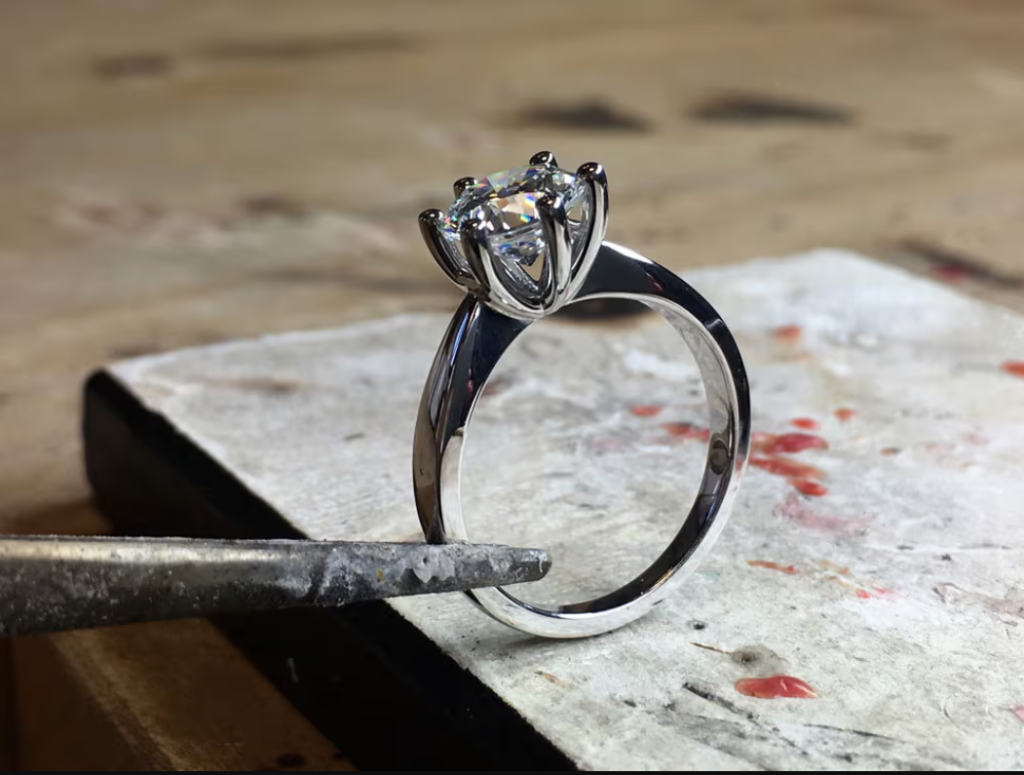
Claw crimping
- This setting technique uses small metal claws to hold the stone in place.
- It allows more light to pass through the stone, enhancing its sparkle and brilliance.
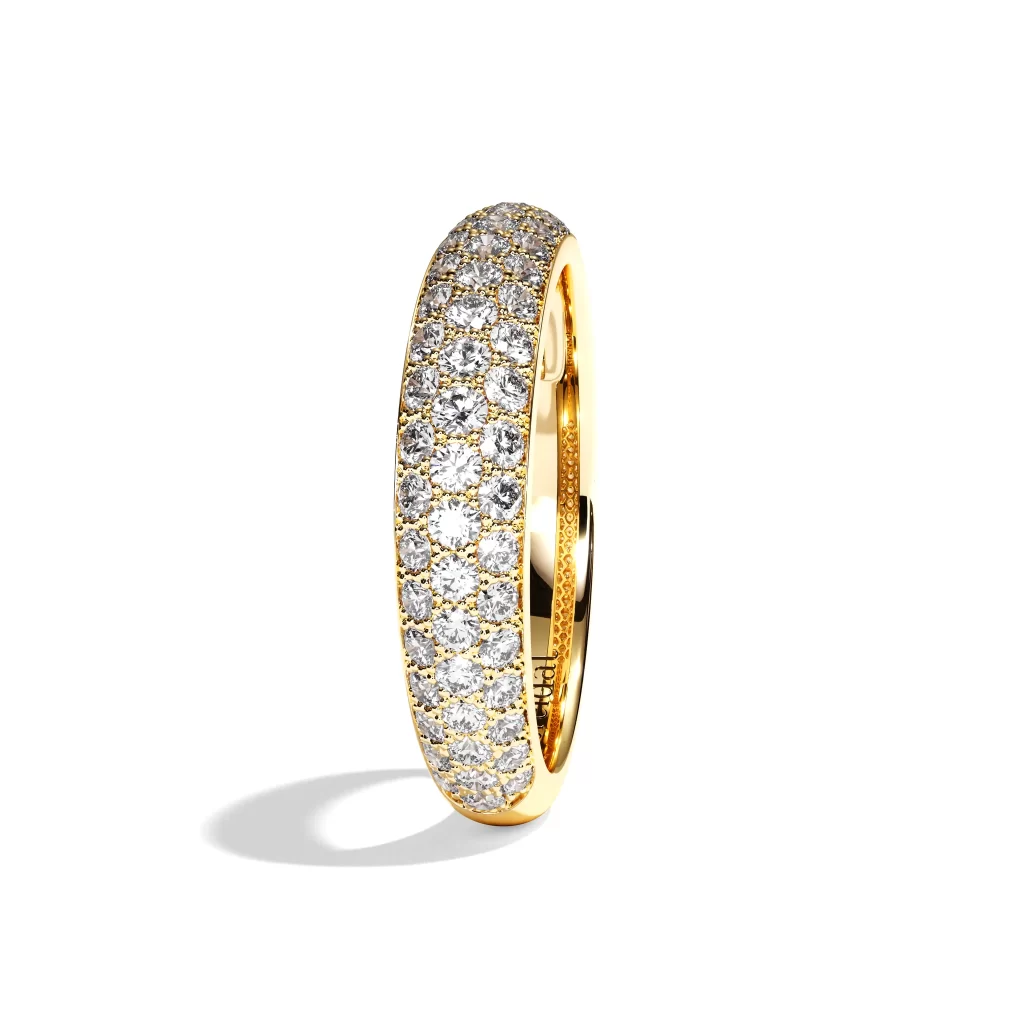
Crimping in cobblestones
- Pavé setting involves setting numerous small gemstones side by side, creating a smooth, continuous surface of sparkling stones.
Bonding
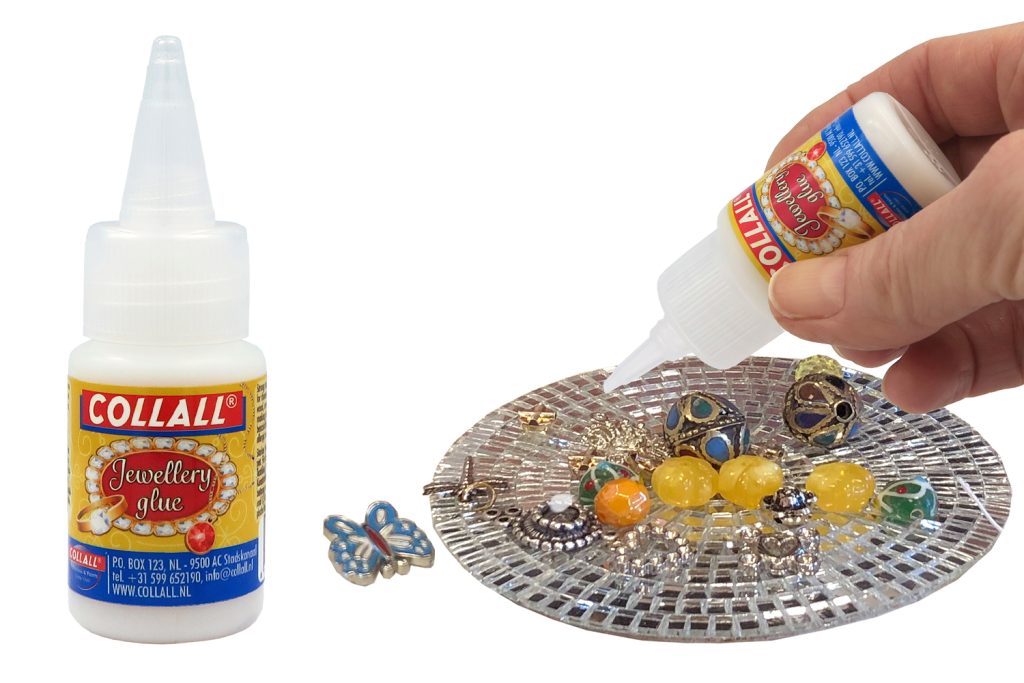
- Technique for fastening two elements together using a special adhesive.
- The glue must be compatible with the materials used.
Steps in detail
- Choose a glue compatible with the materials used.
- Apply glue to the surfaces to be joined.
- Assemble the parts and hold them in place while they dry.
Riveting
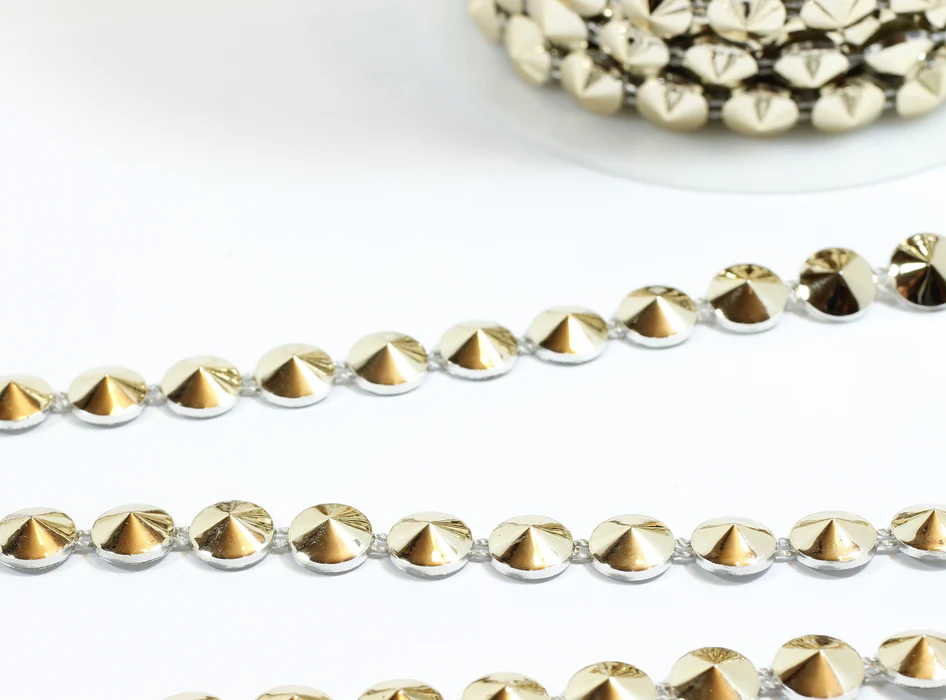
- Technique for fastening two metal parts together using rivets.
Steps in detail
- Drill holes in the parts to be assembled.
- Insert rivets through the holes.
- Crush the ends of the rivets to secure them.
Weaving
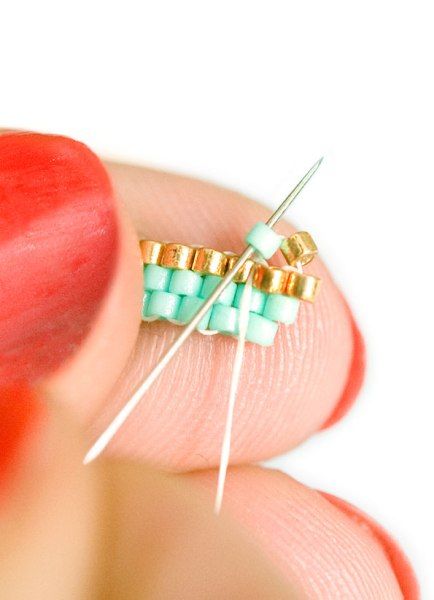
- A technique for creating jewelry from metal or silk threads.
- Weaving creates a variety of patterns and textures.
Steps in detail
- Choose the right metallic or silk threads for your project.
- Create a weaving pattern on a loom or by hand.
- Attach the wire ends to hold the weave in place.
Each assembly technique requires particular mastery and precision to guarantee top-quality results.
Finishing Techniques for Unique Jewelry
Finishing a piece of jewelry is the final touch that gives it its sparkle and shine. Finishing techniques may vary according to the material used and the style of the piece, but they all aim to create a smooth, polished surface. Here are some of the most commonly used finishing techniques:
Polishing
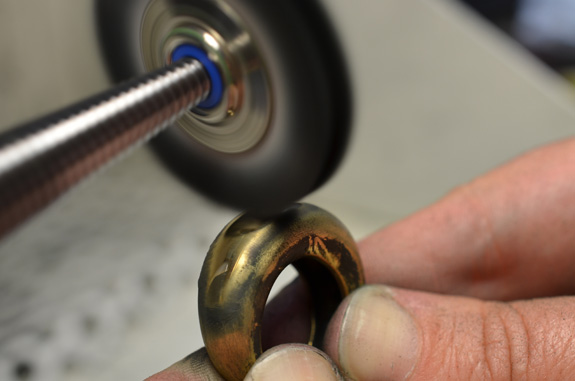
- Polishing is a process that uses abrasives to remove imperfections and scratches from the metal surface, to achieve a shiny or satin finish.
Steps in detail
- Choose an abrasive suitable for the jewel's material.
- Rub the jewel with the abrasive until you obtain the desired finish.
Skating
- Patination is a technique that uses chemicals to create an antique or aged color on the metal surface, adding character and depth to the piece.
Steps in detail
- Apply a skating product to the jewel.
- Leave the product to act according to the manufacturer's instructions.
- Clean off any excess product.
Engraving
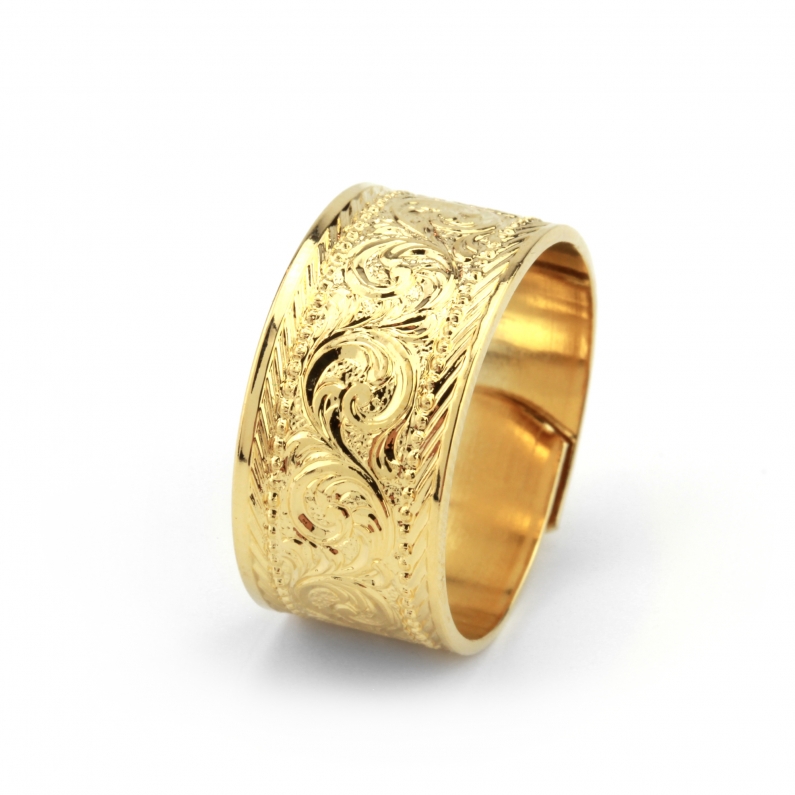
- A technique for creating patterns or text on metal.
- Engraving can be done by hand or by machine.
Steps in detail
- Choose an engraving tool suited to the jewel's material.
- Draw the motif or text to be engraved on the jewel.
- Engrave the motif or text on the jewel.
Enamelling
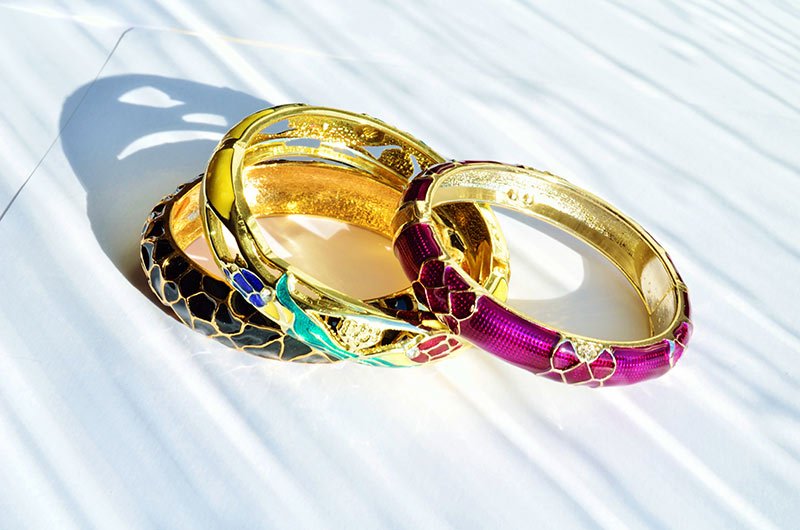
- A technique for decorating metal with enamel.
- The enamel is applied to the metal and then fired in a kiln.
Steps in detail
A. Choosing an enamel
The choice of enamel depends on several factors:
- Jewelry type: some glazes are more suitable for certain styles of jewelry.
- Materials used: some enamels are not compatible with all metals.
- Color and desired effect: enamels come in a wide variety of colors and finishes.
B. Applying enamel
- Enamel can be applied to jewelry in powder or paste form:
- Enamel powder: Apply enamel powder to the jewel using a brush or sieve.
- Enamel paste: Apply enamel paste to the jewel using a spatula or modeling tool.
C. Firing the enamel
The jewel must be baked in an oven at the temperature recommended for the enamel:
- Firing temperature: The firing temperature varies according to the type of glaze used.
- Firing time: Firing time varies according to glaze thickness and kiln temperature.
D. Repeating steps
For a more intense color or opaque effect, repeat steps 2 and 3 several times.
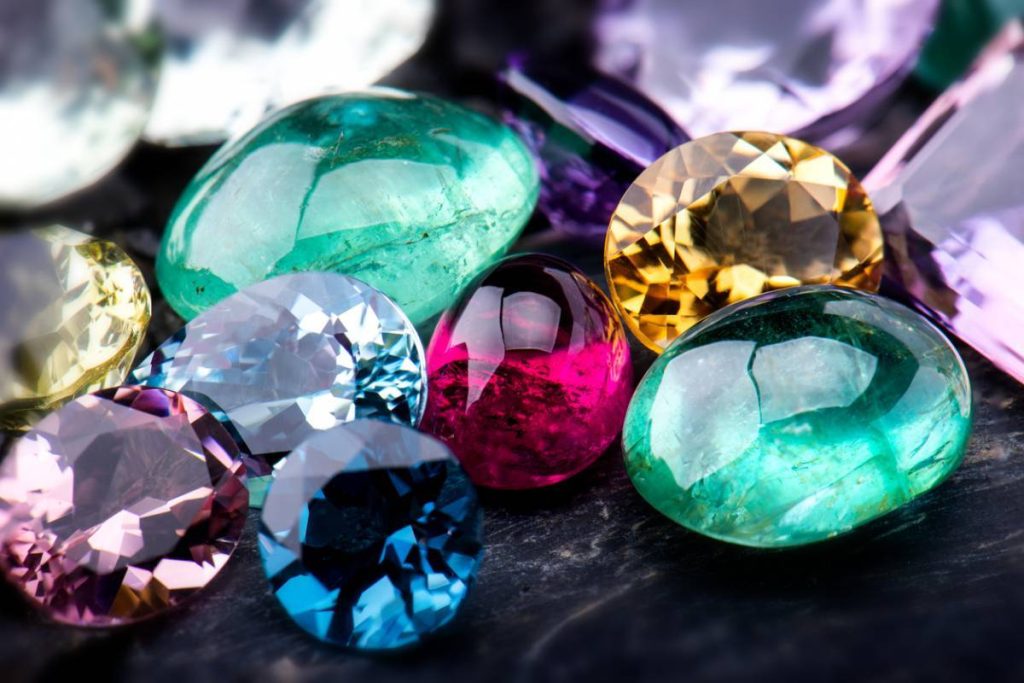
Adding gems, pearls or other elements
- Personalize your jewelry by adding decorative elements.
Satin finish
- This technique creates a matt, textured surface by using fine abrasives to create uniform striations on the metal.
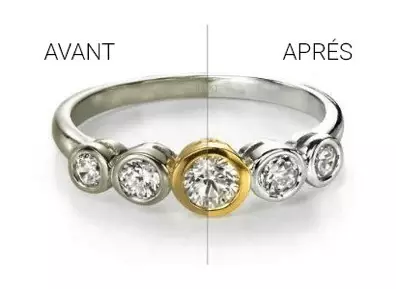
Rhodium plating
- Rhodium plating is a plating process that uses rhodium, a precious metal, to coat the surface of the jewelry, giving it a shiny, corrosion-resistant appearance.
Each finishing technique requires meticulous attention to detail to create jewels that sparkle and shine.
Jewelry Moulding: Creating Custom Shapes and Designs
Molding is a technique for creating customized shapes and designs by reproducing existing models or making original creations. Here are a few commonly used methods for jewelry casting:
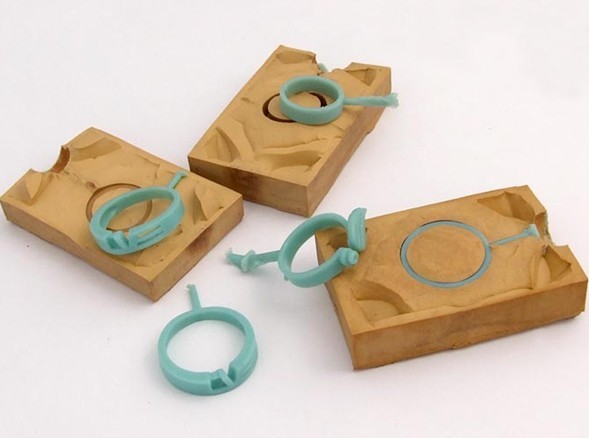
Lost wax casting
- This traditional technique involves the creation of a wax model, which is then covered with refractory plaster.
- Once the plaster hardens, the wax is melted and replaced by molten metal, creating an exact replica of the metal model.
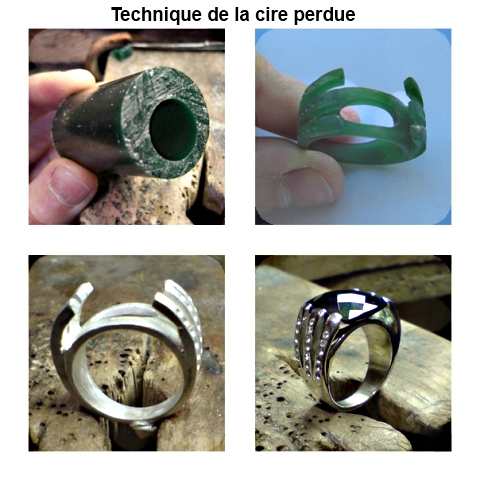
Steps in detail
- Sculpture du modèle: Sculptez le modèle de votre bijou en cire à modeler.
- Création de la grappe: Fixez un fil métallique, appelé grappe, au modèle pour faciliter la manipulation et le coulage.
- Enrobage en plâtre: Recouvrez le modèle et la grappe d'un revêtement en plâtre résistant à la chaleur.
- Décirage: Une fois le plâtre sec, chauffez l'ensemble pour faire fondre la cire et laisser un vide à la place du modèle.
- Coulage du métal: Faites fondre le métal de votre choix et versez-le dans le vide laissé par la cire.
- Décoffrage: Une fois le métal refroidi, cassez le moule en plâtre pour récupérer le bijou brut.
- Finition: Ébarbez, polissez et finissez le bijou pour obtenir son aspect final.
Silicone molding
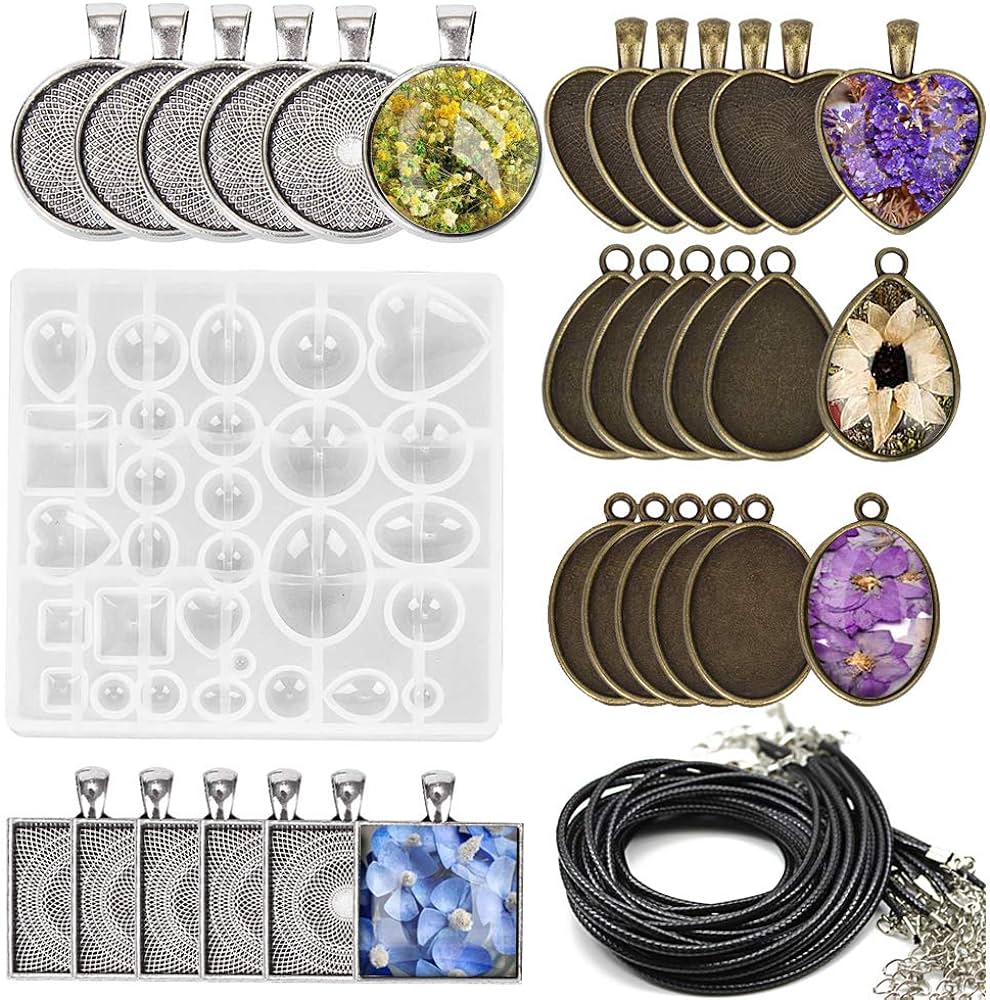
- Silicone casting uses a flexible silicone mold to capture the details of a wax or metal model.
- Once the silicone has hardened, it can be used to reproduce several copies of the original model using a variety of casting materials.
Steps in detail
- Silicone mold creation: use a reusable silicone mold or create your own.
- Model creation: Carve the model of your jewel from wax, plastic or other material.
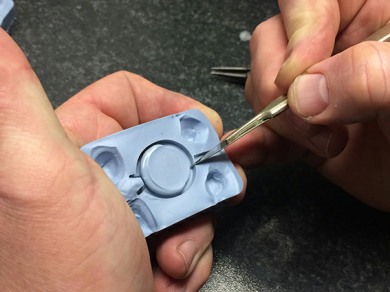
- Making the silicone mold: Frame the model in a box and pour liquid silicone around it. Allow the silicone to dry completely.
- Cutting the mold: Once the silicone is dry, cut it to access the model and create a two-part mold.
- Removing the model: Remove the model from the silicone mold.
- Mixing: Mix the liquid metal, resin or plaster according to the manufacturer's instructions.
- Pouring the mixture: Place the two parts of the mold together and secure them. Pour the mixture into the silicone mold through the hole provided.
- Stripping: Once the metal has cooled, open the silicone mold to recover the raw jewel.
- Finishing: Deburr, polish and finish the jewel to obtain its final appearance.
Hand molding
- This method involves using clay or plaster molds to create unique shapes and designs by hand.
- Although more laborious, this technique allows great creative freedom and the possibility of creating totally original pieces.
Each finishing technique requires meticulous attention to detail to create jewels that sparkle and shine.
Sand casting
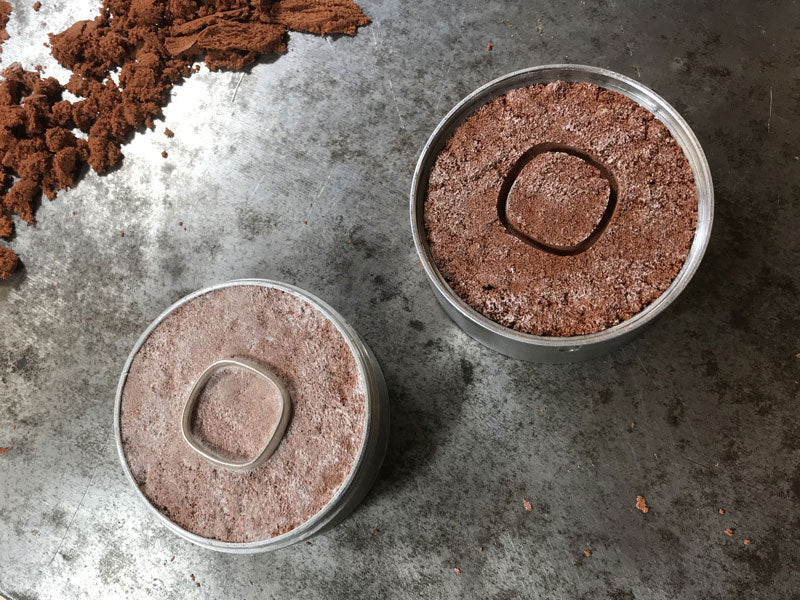
- Technique using a sand mold which is then compacted to create the metal jewel.
Steps in detail
- Model creation: Carve your jewelry model in moist, compact sand.
- Creating casting channels: Create channels in the sand to allow molten metal to flow into the mold.
- Preparing the mold: Carefully dry the sand and reinforce it with a special heat-resistant coating.
- Metal pouring: Melt the metal of your choice and pour it into the mold's runners.
- Stripping: Once the metal has cooled, break the sand mold to recover the raw jewel.
- Finishing: Deburr, polish and finish the jewel to obtain its final appearance.
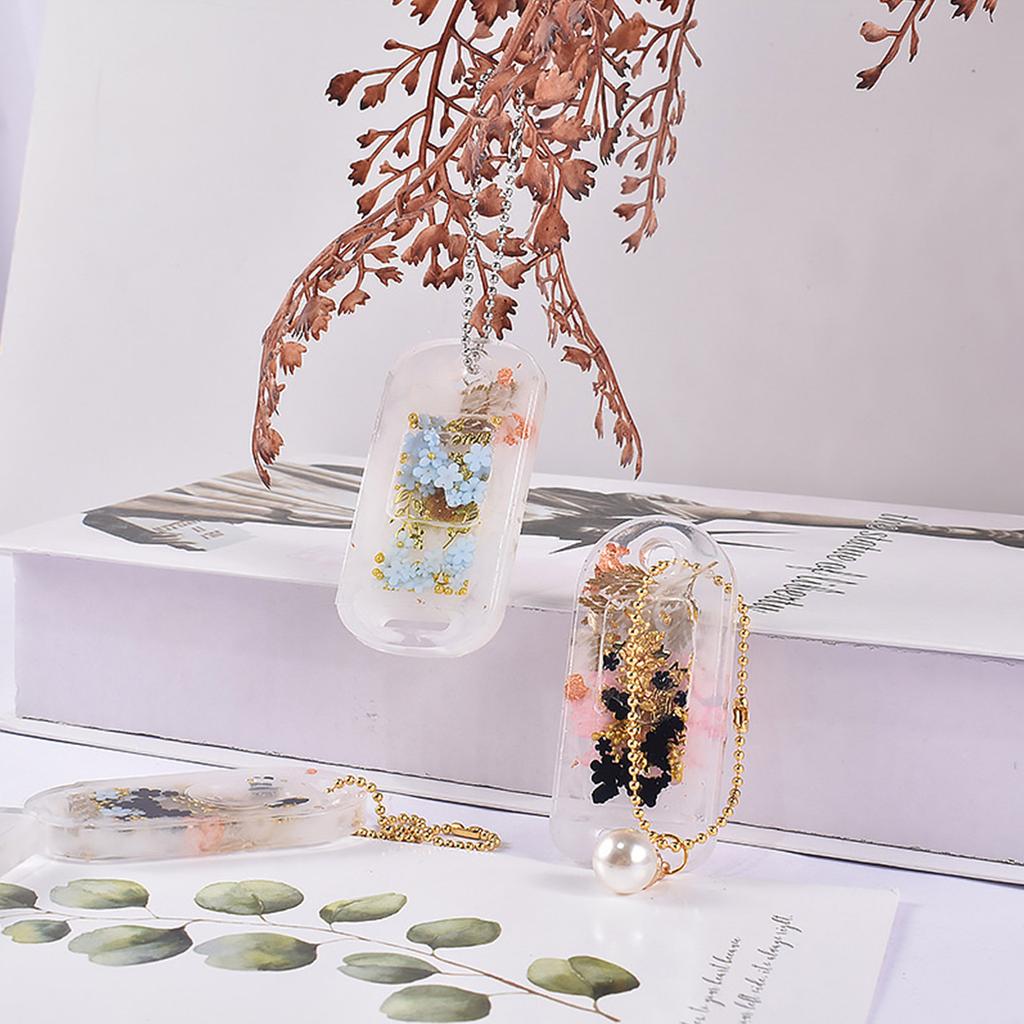
Casting offers a unique opportunity to create personalized, made-to-measure jewelry that meets the individual needs and desires of each customer.
Tips for successful casting
- Safety: wear protective goggles and gloves when handling molten metal.
- Precision: work precisely and meticulously to achieve impeccable results.
- Patience: jewelry casting takes time and patience.
- Experimentation: don't hesitate to experiment and try out new techniques to achieve unique results.
Choosing the right technique
The choice of assembly and finishing technique depends on several factors:
- Jewelry type: some techniques are better suited to certain styles of jewelry. For example, soldering is ideal for joining solid metal elements, while gluing can be used to attach more delicate elements
- Materials used: some techniques are not suitable for all materials. For example, flame welding cannot be used on precious stones, as the heat would damage them.
- Technical skills: some techniques require more practice and dexterity than others. For example, hand engraving requires good coordination and a certain amount of experience.